
On the morning of December 26, 2004, the world awoke to harrowing news of a massive earthquake, measuring 9.1-9.3 on the Richter scale, striking off the west coast of Sumatra, Indonesia.
What followed was a tragedy of unimaginable proportions, a series of devastating tsunamis that swept through 14 countries, leaving behind a trail of destruction, heartbreak, and despair. In mere hours, lives were forever changed, with close to 230,000 souls lost to the fury of nature.
Twenty years after that fateful day of the Indian Ocean Tsunami, Amrita University organised the International Conference on Tsunami Risk Reduction and Resilience to remember the impact of what happened and move forward today as humankind bears the brunt of rapidly increasing natural disasters.
Held from December 13 to 15, 2024, the gathering featured more than 40 eminent speakers from 15 countries who represented academia, government, industry, governmental, and nongovernmental organisations. Together, they exemplified that hope still exists if people are willing to join hands in the face of destruction, and, more importantly, build the strength and strategies to prevent such catastrophes.
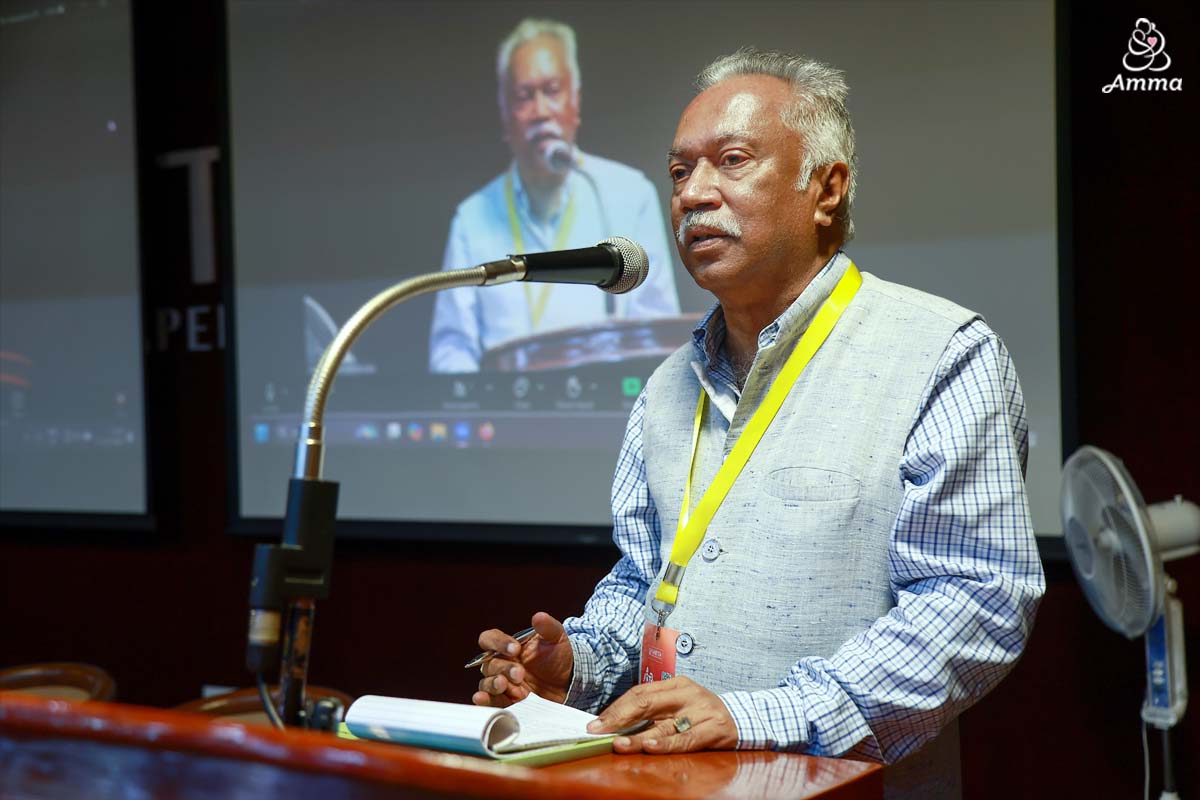
“Two decades after the devastating disaster of 2004, it is crucial to hold conferences like this to reflect on our current preparedness for similar events, explore strategies to overcome challenges, and assess advancements in tsunami early warning systems,” said Swami Shubamritananda Puri in his address. He is one of Amma’s senior disciples and was in Amritapuri the day the Tsunami struck.
Even though the Ashram is in one of the places hardest hit in Kerala, Amma began immediate rescue and recovery within minutes in the village of Alappad. The relief work continued for months and then transformed into longterm recovery initiatives that lasted for years. By the end of 2006, we dedicated $46m (₹200 crore) to tsunami relief.
What made it unique was the holistic nature—every aspect of the tsunami survivors’ lives was considered and improved. People across Kerala, Tamil Nadu, Andaman Islands and Sri Lanka were reached with basic needs, shelter, counselling, new homes, skills training, and more.